


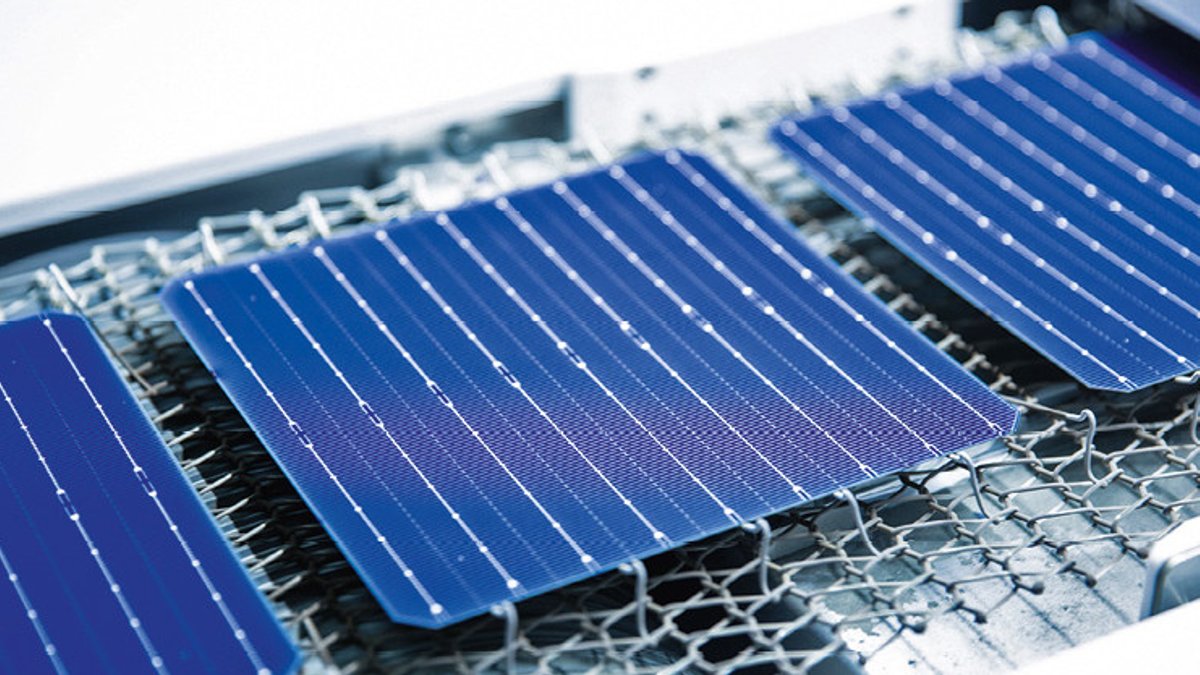
China is set to spend about $940 billion on alternative energy capacity and infrastructure this year, maintaining its position as the world’s largest investor in the sector. While the country continues to pour capital into wind and solar installations, the Global Energy Transition Report released this month by the China Enterprise Reform and Development Society indicates a significant shift in spending priorities toward grid expansion and support infrastructure.
A Shift in Spending Priorities
The report also shows that China contributed 63.6% of global new additions to alternative energy generation capacity last year. These figures reflect the ongoing rollout of policies that prioritize electric vehicles, battery storage, and renewable generation.
China’s total wind and solar power generation capacity exceeded 2 billion kilowatts by the end of September, according to data from the National Energy Administration. Solar capacity reached 1.31 billion kW during this period, while wind capacity hit 700 million kW. Growth rates for the year stood at 16.5% for solar and 20.4% for wind, continuing a trend of rapid expansion that has seen Chinese manufacturing dominate global supply chains.
Managing the Grid to Handle Fluctuations
Despite the surge in renewable output, China still relies on coal for nearly half of its electricity. Bloomberg reported that coal power plants generated 49.7% of the country’s electricity in the first half of the year, marking the first time the fuel’s share fell below 50%.
The International Energy Agency estimates that China will invest $140 billion this year on grid expansion and related infrastructure. The goal is to improve the efficiency of the national grid, allowing it to capture a larger share of wind and solar generation. Currently, operators often “throw away” excess electricity because there is no way to adjust output to meet demand, even with battery storage in place.
Long-Term Grid Investment Targets
The State Grid Corporation of China, the country’s largest grid operator, expects to spend as much as $574 billion through 2030. This represents a 40% increase in fixed asset spending compared to the previous five-year period. The focus remains on building transmission lines that can connect remote renewable sites to major population centers.
China accounts for more than 80% of the global output of solar panel components and 70% of wind power equipment. This dominance has driven down the costs of wind and solar generation by over 60% and 80%, respectively. However, the drop in subsidies and the resulting bankruptcies in some sectors show that the state is attempting to recalibrate its approach to avoid overcapacity.


