


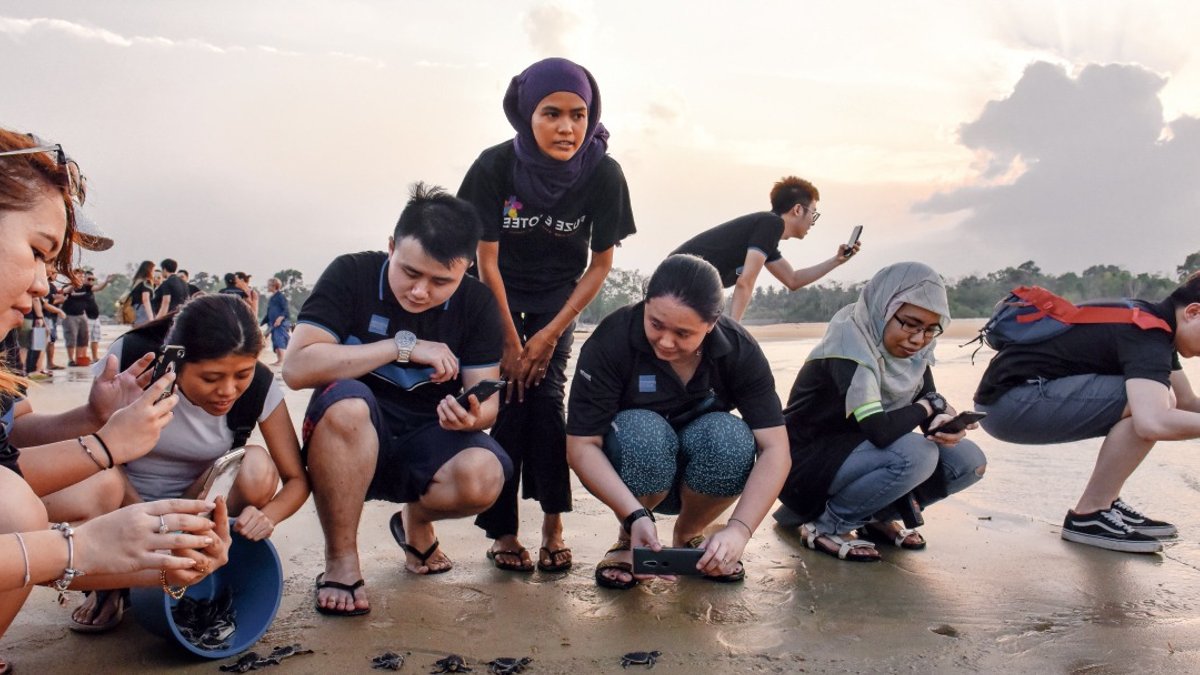
Reconnecting with nature in Malaysia takes many forms. For some, it means stepping outside more often, understanding food origins, or hiking through forests. Yet beyond leisure, meaningful engagement involves conservation, backing local farmers and communities, or learning from generations who have lived closely with the land. Three organisations demonstrate how this reconnection can occur without abandoning modern life: Fuze Ecoteer, Kongsi Co-op, and Native Discovery. Their approaches span hands-on conservation, community-led tourism, sustainable food production, land protection, and indigenous leadership.
Fuze Ecoteer’s origins trace back to 2005, when co-founder Daniel Quilter encountered a pair of gibbons in Sukau, Sabah. That rare sighting sparked his decision to establish Ecoteer, initially a platform for meaningful travel internships. Over time, his focus shifted to ecotourism, leading to the rebranding as Fuze Ecoteer—a venture blending environmental education, conservation, and community empowerment. At its core lies a simple belief: when people understand nature, they protect it. Unlike passive observation, Fuze Ecoteer immerses participants in conservation work through programmes across Malaysia, including beach and river clean-ups, biodiversity surveys, recycling workshops, and environmental education.
The organisation’s Marine Parks of Malaysia website serves as a central hub for responsible tourism in marine areas. It consolidates information on conservation projects, sustainable tourism, and eco-friendly businesses, helping visitors make informed choices about their interactions with fragile ecosystems. In the Perhentian Islands, Fuze Ecoteer’s turtle conservation efforts have released 230,098 hatchlings since 2015, with support from Yayasan Sime Darby and Universiti Malaysia Terengganu. The team also achieved a milestone by satellite-tracking 20 green turtles, the first such study in the islands.
Empowering Local Communities and Economy
Beyond direct conservation, Fuze Ecoteer has created economic opportunities for local communities. Islanders in the Perhentians have been trained as scuba divers and integrated into a flexible gig-economy model, where they remove ghost nets and repair buoy lines while earning income. The “Upcycled by FE” initiative further reduces waste by transforming discarded materials into usable products. Since 2022, this programme has diverted over 65 tonnes of river waste, employed up to 40 individuals, and injected more than RM300,000 into local economies through jobs and opportunities.
Quilter emphasises that conservation must extend beyond single-day efforts like beach clean-ups. Long-term impact requires education, shifts in consumption habits, and functional recycling systems. Fuze Ecoteer’s programmes cater to individuals, families, schools, universities, and corporations, offering tailored workshops, multi-day conservation projects, and team-building activities. Participants can also support conservation through product sales linked to specific projects, while corporate programmes allow businesses to align activities with their own sustainability goals.
Looking ahead, Fuze Ecoteer aims to promote sustainable island travel, strengthen community partnerships, and ease pressures from mass tourism. “We hope Malaysians will take pride in our extraordinary biodiversity and recognise that each of us has a role in protecting it,” says Quilter.
Cooperative Model Secures Farmland Access
Kongsi Co-op, established in 2022, takes a different approach by reconnecting people with land and nature through shared ownership and collective action. The cooperative’s model treats food, shopping, and farmer support as integral to environmental stewardship. Central to its work is community-supported agriculture, delivered through weekly Kongsi Food Bag subscriptions. Consumers pre-pay for harvest shares, sharing farmers’ risks—poor harvests yield less food, while bountiful seasons may provide extras, rather than refunds.
The cooperative’s “Fund A Land with Kongsi” movement, launched in 2024, seeks to secure ecological farmland for community land trusts. Secretary Chin Wei Ling explains the goal is to shield farmers practicing ecological agriculture from land speculation and development. The first target is GK Organic Farm, with a RM3.65 million fundraising campaign. As of June, the initiative had raised approximately RM1.29 million, continuing efforts to finalise land stewardship.
Public engagement takes multiple forms. Malaysians aged 18 and above in Kuala Lumpur or Selangor can become co-owners after attending a Green Carpet introductory session. The Fund a Land campaign also accepts donations through merchandise and activities. Subscribers can join Kongsi Food Bag, attend Kongsi Academy workshops, or participate in farm visits, including trips to GK Organic Farm. An upcoming initiative, “Walk for Land,” will begin in Penang in mid-November and conclude at GK Organic Farm in Dengkil, Selangor, in early December. The walk aims to highlight the need for secure farmland access for farmers and indigenous communities while supporting urban-rural connections.
Reviving Indigenous Culture and Leadership
Native Discovery, the third organisation, focuses on indigenous leadership and cultural preservation. Founded in 2022, it partners with indigenous communities to revive traditional practices, document cultural heritage, and advocate for land rights. The group’s work spans the Peninsular and East Malaysia, collaborating with Orang Asli, Dayak, and other indigenous groups to ensure their knowledge and territories are respected and protected.
One of its flagship projects is the “Living Heritage” programme, which trains indigenous youth in traditional skills such as basket-weaving, medicinal plant identification, and sustainable forest management. These skills are not just preserved but also adapted for modern contexts, such as creating eco-friendly products from natural materials. Native Discovery also works with communities to map and protect sacred sites, ensuring their cultural and ecological significance is recognised in land-use planning.
In Sabah, the organisation has supported the Penan community in their fight against illegal logging. Through legal advocacy and public campaigns, Native Discovery has helped secure temporary moratoriums on logging in critical areas, allowing ecosystems to recover. The group also documents indigenous knowledge systems, publishing reports and organising workshops to share this knowledge with policymakers and the broader public.


