


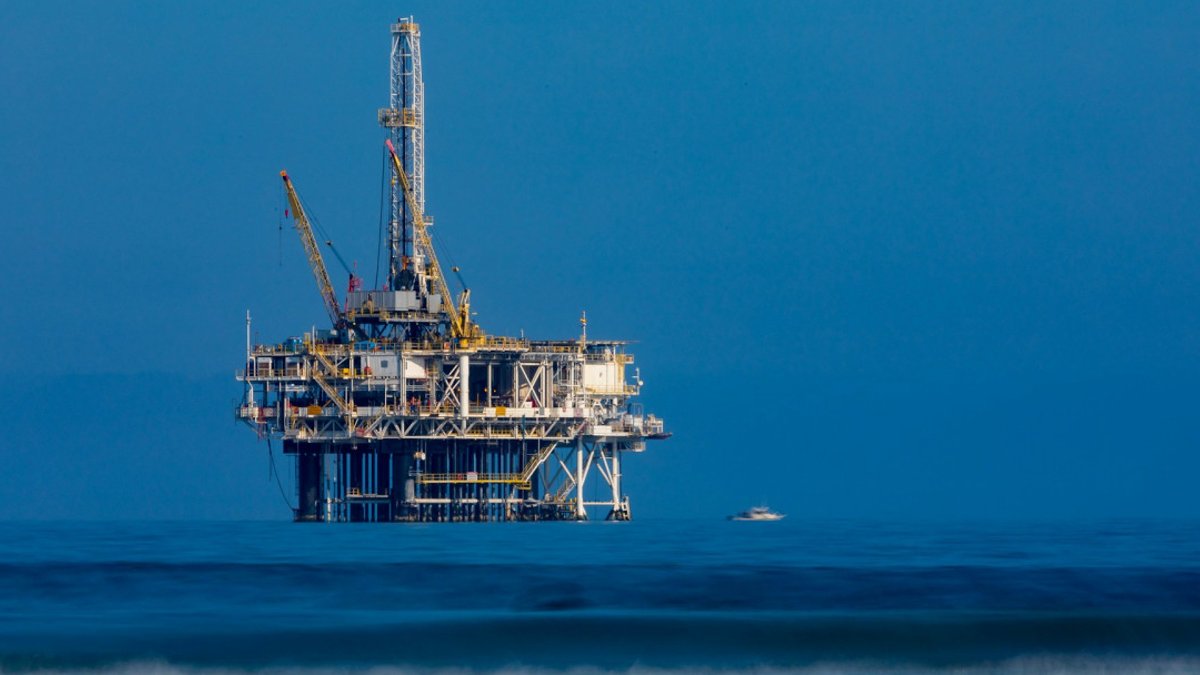
When the offshore complex off Santa Barbara resumed output, the focus turned to who would take Sable’s oil amid California’s refining capacity constraints. The project, now owned by Sable Offshore, has been caught between federal rescue actions and a state agenda to wind down fossil-fuel extraction.
Federal steps clear a blocked pipeline
In December 2025 the Pipeline and Hazardous Materials Safety Administration reclassified the on-shore lines feeding the offshore platforms as interstate infrastructure, shifting oversight to the federal level. The agency approved Sable’s restart plan on Dec. 22, allowing shipments to move again.
After the U.S.-Iran conflict escalated in February 2026, Energy Secretary Chris Wright invoked the Defense Production Act on March 13 to direct the restoration of operations, citing supply risks and military dependence on foreign oil. Sable began moving crude the next day, despite California officials contesting the move as an overreach of federal authority.
California’s Democratic administration has challenged both interventions, turning the project’s revival into a continuing fight over federal and state authority. Democratic control of the House and Senate will allow congressional committees to investigate the administration’s intervention, demand records, and use spending negotiations to seek restrictions.
Sable CEO Jim Flores said on the company’s earnings call that the rulings it has won, including one upholding PHMSA’s jurisdiction over the pipeline, are on appeal at the Ninth Circuit. That uncertainty matters because the commercial margin for disruption is already narrow.
Read Also: South Sudan courts oil investors despite Sudan conflict
Financial pressure mounted after Chevron halted purchases in early October, citing refinery maintenance and tank upgrades. Sable’s shares plunged to a low of 76 cents, and the firm disclosed doubts about its ability to continue as a going concern.
Management says the position has since improved, with all four major Los Angeles-area refineries now taking its crude after agreements with three additional buyers, among them Marathon and PBF Energy. Those contracts began with starter volumes, not full-scale commitments.
Sable is negotiating a bulk sale of up to 1.3 million barrels to fund its fourth-quarter budget, which ranges from $165 million to $175 million. The plan includes a $100 million unsecured loan facility and, if needed, a private placement of shares.
Market constraints and refinery shrinkage
The Santa Ynez field produces heavy, sulfur-rich crude at roughly 15-20 API with 4-5% sulfur. Competing heavy-crude supplies are priced about $30 per barrel below Brent, limiting price leverage for Sable.
The upcoming restart of the Hondo platform is expected to add about 10,000 b/d of lighter, sweeter oil in December, which could improve the blend’s marketability. However, increased output also raises the volume that must be moved through limited pipeline capacity and storage at Las Flores Canyon.
California’s refining capacity has contracted sharply. From 2015 to August 2026, crude production fell from roughly 550,000 b/d to 245,000 b/d. Simultaneously, refinery closures and renewable-fuel conversions have removed plants operated by Marathon, Phillips 66 and Valero.
Read Also: China Shifts Energy Spending Toward Grid Expansion
Current listings show 11 facilities with a combined capacity of about 1.34 million b/d, down from earlier years. The state continues to import most of its crude, with seaborne imports at roughly 890,000 b/d in 2026, down from 1.04 million b/d the prior year.
Import trends and Jones Act waiver status
In October 2026, Latin American barrels made up 72 percent of California’s total oil imports. The share rose amid the ongoing U.S.–Iran war and after Valero shut its 145,000 b/d Benicia refinery in the spring. Falling crude imports therefore signal not only conflict-related cuts or self-sufficiency gains but also a shrinking refining system that needs less feedstock. That adjustment is already evident in clean-product imports, which have declined as domestic processing capacity contracts.
Volumes have since eased, helped by the return of the El Segundo refinery, yet California remains heavily reliant on refined product supplies from South Korea. The temporary Jones Act waiver, allowing non-U.S.-flagged vessels to transport goods to the state, is set to expire on November 15. The Trump administration alone decides whether to extend the waiver, while U.S. maritime groups are urging the White House to let it lapse.
Challenges for Sable Offshore
Sable Offshore is exploring alternative solutions to transport its crude, including an offshore storage and treating vessel that would allow shuttle tankers to carry crude to domestic or international buyers. The company estimates the cost of this strategy at around $475 million, subject to regulatory clearances.
If approved, this route could broaden Sable’s customer base and reduce dependence on disputed onshore infrastructure. However, it requires significant investment and buyers willing to pay prices that justify the additional logistics. Sable Offshore’s ability to finance the wait and find reliable customers remains uncertain, despite the federal intervention that helped reopen the pipeline.


