


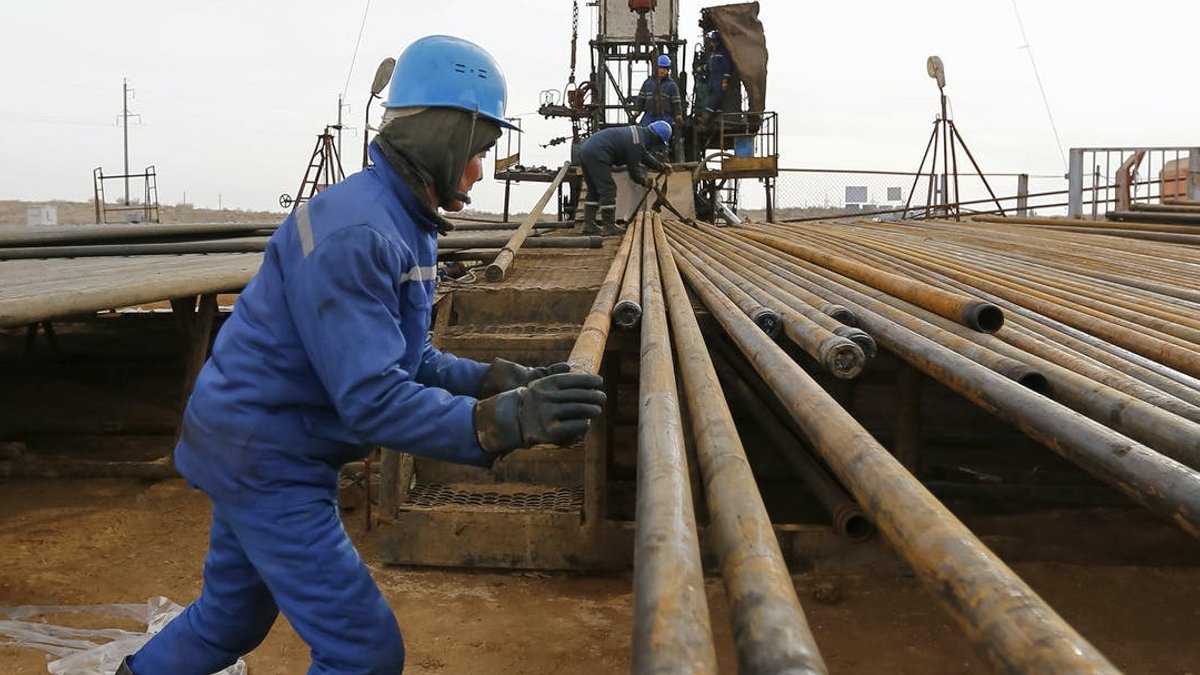
South Sudan is promoting fresh investment for 14 oil-exploration blocks and a production rise from roughly 170,000 barrels per day to 230,000, a target it will present at a Juba conference later this month.
Current output and investor outlook
The petroleum ministry said output reached 175,000 barrels per day in August and set a modest goal of 200,000 barrels per day by August 2027. Organizers of the South Sudan Oil & Power conference cite the higher figure as a short-term ambition.
Official data list eight cargoes totalling 4.8 million barrels shipped from Sudan’s Red Sea terminals in October, equivalent to about 155,000 barrels per day of combined Sudanese and South Sudanese exports.
Export routes caught in Sudan’s conflict
South Sudan’s crude must travel through Sudan, where the civil war has split control of the transit corridor. The Sudanese Army holds the Red Sea ports, while the rival paramilitary RSF dominates the inland area around Heglig.
According to a September report, the RSF receives $4 of the $11 fee charged per South Sudanese barrel that crosses its territory, with the army-aligned government taking the remaining $7.
No published account identifies whether the RSF’s current share is delivered in oil, cash or export proceeds.
Crude from Blocks 1, 2 and 4 enters the Greater Nile line at Heglig in West Kordofan. A 2025 agreement placed security inside the complex under the South Sudan People’s Defence Forces, while the RSF controls the surrounding region.
Read Also: China Shifts Energy Spending Toward Grid Expansion
Impact of the Petrodar line
The second export route, the Petrodar line, moves Dar Blend from Blocks 3 and 7 at Paloch through six Sudanese pumping stations to the Bashair terminal on the Red Sea. A rupture in February 2024 cut flow by two-thirds, dropping output from about 150,000 barrels per day to 62,000.
Technical crews were blocked by fighting, and diesel deliveries needed to keep the waxy crude flowing were interrupted. Full service resumed in April 2025, but drone attacks on Sudanese oil sites have recurred.
The export shutdown shrank South Sudan’s economy by an estimated 24 percent in fiscal 2025. Oil contributed 89 percent of government revenue in 2024 and dominated export earnings from 2021 to 2024.
Financing and new infrastructure
The Africa Energy Bank, launched in Abuja on 31 October, received $5 billion in authorized capital, with $500 million earmarked for deployment. The institution aims to channel fresh capital into oil projects, though it cannot guarantee safe passage through Sudan.
A proposed 350-kilometre Tharjiath-Paloch line would shift Block 5A crude from its current Heglig link into the Petrodar system, trading RSF-controlled exposure for a route ending at an army-held terminal.
The World Bank says proposed pipelines to Kenya or Djibouti carry high estimated costs.
At the current rate of 170,000 barrels per day, the petroleum ministry projects a 20 percent annual decline, erasing roughly 34,000 barrels per day or 12.4 million barrels yearly. Reaching 230,000 barrels per day would require replacing the declining output and adding about 60,000 barrels per day, a net increase of roughly 94,000 barrels per day.


