


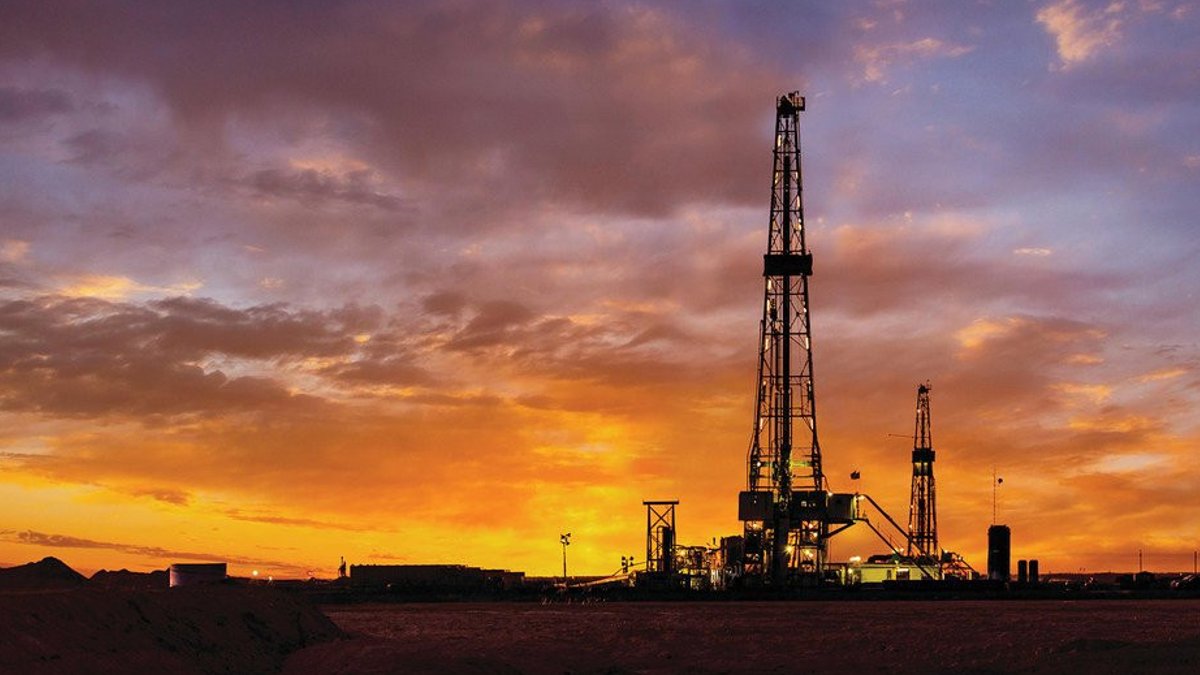
U.S. shale producers are exercising restraint on drilling activity even as oil prices have climbed more than $20 per barrel in 2026. Major operators, including Diamondback Energy and ExxonMobil, are choosing financial caution over expansion despite rising crude values. Smaller independent firms, however, have responded more aggressively to higher prices by increasing their drilling operations.
The average WTI crude price has now reached $86.72 in 2026, up from $64.94 in the previous year. Yet the largest shale companies remain hesitant to scale up production. Diamondback Energy, the dominant player in the Permian Basin, has explicitly ruled out expanding drilling next year. The company’s CEO, Kaes Van’t Hof, emphasized prudence during a recent earnings call, arguing that preparing for potential downturns is more responsible than assuming sustained high prices will continue.
Diamondback reported third-quarter free cash flow of $2.1 billion, a strong performance that allowed it to raise its 2026 dividend and modestly increase production guidance. Instead of reinvesting surplus cash into new drilling, the company is redirecting funds toward debt reduction and shareholder buybacks. Van’t Hof framed this approach as a rejection of unchecked optimism, noting in the shareholder letter that the dividend has grown ninefold since 2018 while maintaining disciplined capital allocation.
ExxonMobil, another key Permian operator, has adopted a similar stance. Though the company met its 2026 production targets, CEO Darren Woods stressed that efficiency—not output growth—remains the priority. Exxon’s strategy focuses on refining technology and controlling costs rather than pushing for higher volumes, aligning with a broader industry shift toward measured investment. The company’s approach reflects a determination to deliver long-term shareholder value through controlled spending, even as prices rise.
Smaller firms boost output while majors hold back
This restraint among industry leaders contrasts sharply with the behavior of smaller operators. According to Wood Mackenzie’s director of Lower 48 Upstream research, Nathan Nemeth, privately held and mid-sized firms are expanding production more quickly when prices improve. Publicly traded majors, however, remain cautious, with Nemeth attributing their hesitation to shareholder expectations in volatile markets. Geopolitical events can trigger sudden price swings, making aggressive spending decisions riskier for larger companies.
The current market uncertainty stems from multiple pressures. The Hormuz crisis has disrupted Middle East oil supplies, driving freight rates to historic highs and increasing transportation costs for crude. Additionally, the timeline for global oil supply stabilization remains unclear, leaving producers wary of committing to major investments. Energy executives surveyed by the Dallas Fed in September described market conditions as unpredictable, with one calling them “impossible to predict” and another expressing frustration over persistent volatility.
Geopolitical risks force cautious spending over expansion
Wood Mackenzie’s analysis reveals the core challenge: oil majors and large independents have built their reputations on disciplined capital management and reliable dividends. Committing to higher spending now could prove costly if prices decline, potentially damaging shareholder confidence. The consultancy points out that a single geopolitical shock or market tweet can erase recent price gains, reinforcing the industry’s preference for patience over hasty expansion.
While overall production has risen slightly this year, the increase has not fully offset disruptions in Middle East supplies. The delay between price spikes and drilling responses means most large operators will not significantly accelerate output until they gain greater confidence in market stability. For the time being, the prevailing strategy involves preserving cash, reducing debt, and waiting for clearer signals before expanding operations.
Van’t Hof’s remarks on the 2027 outlook reflect the industry’s reluctance to make long-term commitments. He stated that Diamondback will not finalize next year’s drilling plans until February, acknowledging that conditions could change dramatically before then. The overarching message remains clear: in an environment where volatility is the only certainty, caution is the industry’s default position.


