


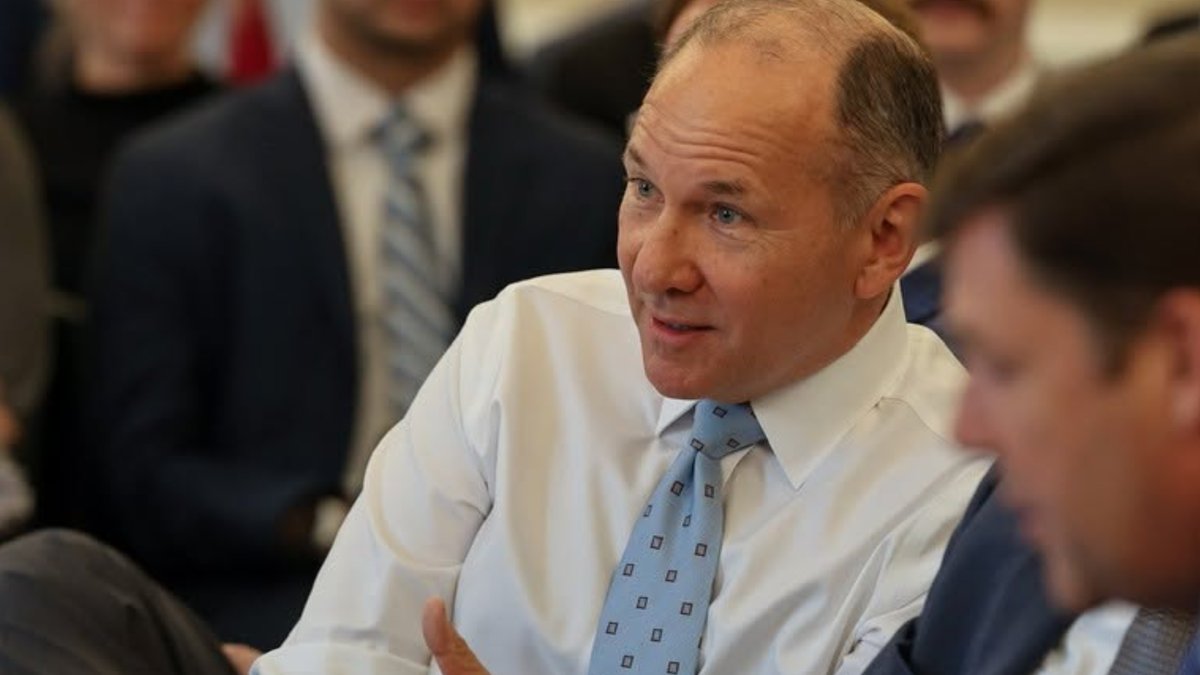
Some Republicans are slowly warming to the idea of raising payroll taxes on upper-income households to shore up Social Security. Rep. Lloyd K. Smucker of Pennsylvania, a top candidate to lead House Budget Committee Republicans in the next Congress, said Thursday that raising the cap on income subject to Social Security payroll taxes could be part of the solution to avoid having to cut benefits.
Without a fix, benefits would need to be cut by 22% in 2032, according to projections from the Social Security Board of Trustees. A payroll tax increase is a controversial position for a Republican to take, but one that could become more acceptable when lawmakers from both parties look for a compromise to prevent the Social Security trust funds from being exhausted.
Raising the Payroll Tax Cap
Smucker told reporters that “you’ll probably have to do something on the payroll half of the money being paid into the system,” without providing further details on raising the payroll tax cap. As for the risk of a benefits cut in six years, he said, “we can’t allow that to happen, and the only way you address that is to start being serious and realistic about the math problem and the demographics.”
Read Also: Eftsure Acquires Relish for Enterprise Payments
He is not the only Republican to suggest a payroll tax increase on higher incomes. Earlier this summer, Sen. Bernie Moreno, R-Ohio, drew flak from fellow Republicans after he and Sen. Elizabeth Warren, D-Massachusetts, proposed lifting the cap so that the tax would apply to all earned income.
In a column published by the outlet in June, Moreno and Warren wrote that it was a straightforward decision: the wealthiest Americans, who have benefited the most from America’s opportunities, should contribute the same percentage of their income as a factory worker in Chillicothe, Ohio, or a teacher in Worcester, Massachusetts. The payroll tax—6.2% paid by employees and 6.2% paid by employers—is only imposed on the first $184,500 of earned income in 2026 and is adjusted each year for inflation.
Critics of raising the payroll tax cap, such as the Tax Foundation, say it could reduce economic growth through higher taxes, sever the link between taxes paid into the program and benefits received from it, and do little to make the system solvent in the long term. Proposals to raise the payroll tax run the gamut from raising the cap only for income above $250,000 in one bill, to above $400,000 in another bill, to applying it to all income above the current cap, as Moreno and Warren have advocated.
Read Also: Trump Supports Federal Film Tax Credit for Hollywood
Smucker said a combination of changes is needed to make Social Security sustainable, including probably raising the retirement age—currently 67 for anyone born in 1960 or later, “to match essentially that people are living so much longer.” He added that lawmakers should consider expanding means-testing in Social Security, so that more benefits go to low-income retirees and fewer to the wealthy.
Smucker said addressing the gap between Social Security benefits and the taxes that support the program also would help reduce the growth of the debt.
Smucker emphasized that making Social Security sustainable requires a conversation with the American people about what can be done to change the system and make good on its promises. They can make it sustainable, he said. They can ensure that the system continues to exist for young people, exceeding their expectations. And if they do it today, they can do it without affecting current retirees’ benefits.


