


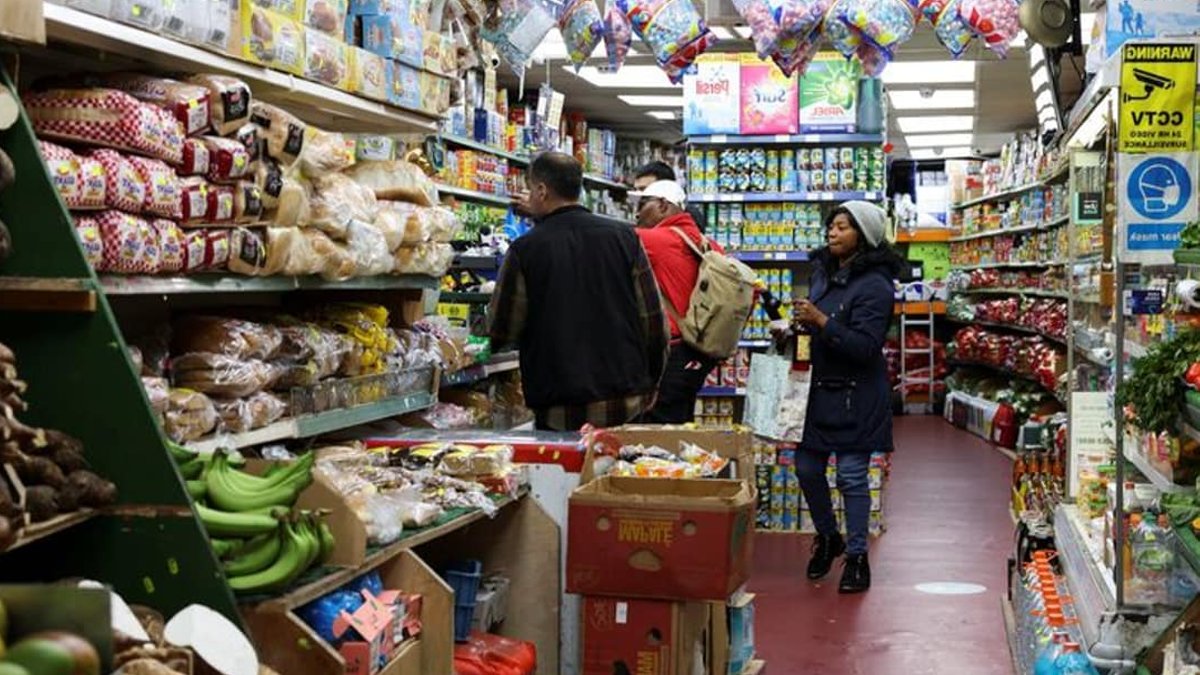
UK shop prices rose by an annual 0.9% in July, the smallest increase since December 2025, according to the British Retail Consortium. This slowdown in shop price inflation was largely due to supermarket discounts on alcohol and snacks triggered by the men’s soccer World Cup, as well as summer promotions across food and other goods.
The BRC’s Chief Executive, Helen Dickinson, noted that retailers competed hard to limit price rises, with a wave of summer promotions across food and other goods. Some clothing and footwear retailers also discounted summer items.
The BRC annual shop price inflation fell to 0.9% in July from 1.2% in June, after a 0.1% drop on the month. Food price inflation slowed to 2.2% from 2.4%, its lowest since February 2025. Non-food inflation slowed to 0.2% from 0.6%.
Prices for electrical and health and beauty products rose due to higher semi-conductor and manufacturing costs. The Office for National Statistics’ broader consumer price inflation measure fell to a 15-month low of 2.6% in June.
Last month, the Bank of England forecast that CPI would rise to just over 3.25% later this year due to higher energy costs caused by the U.S.-Iran war. The BRC survey was based on prices collected between July 1 and July 9.
Related: Palestinians say settler raids are driving them to breaking point
For people shopping in the UK, this means that the cost of living may not increase as quickly as expected, at least for now. As retailers continue to offer discounts and promotions, consumers may be able to take advantage of lower prices on certain goods. However, it’s worth looking at the specific categories where prices are rising, such as electrical and health and beauty products, to understand where costs are still increasing.
They report that annual shop price inflation eased from 1.2% in June to 0.9% in July, marking the smallest increase since December 2025. Food price inflation fell to its lowest level, 2.2%, since February 2025, while non-food inflation dropped to 0.2%.
According to the report, the slowdown in shop price inflation was caused by supermarket discounts on alcohol and snacks due to the men’s soccer World Cup, along with summer food and clothing promotions. The Office for National Statistics confirmed that broader CPI inflation eased to a 15-month low of 2.6% in June.
The Bank of England forecasts inflation to hover just below 3% through much of 2026 before rising to just over 3.25% in Q4, largely due to increased energy pressures from the U.S.-Iran war. For more information on the UK’s economic outlook, visit the Bank of England’s website.


