


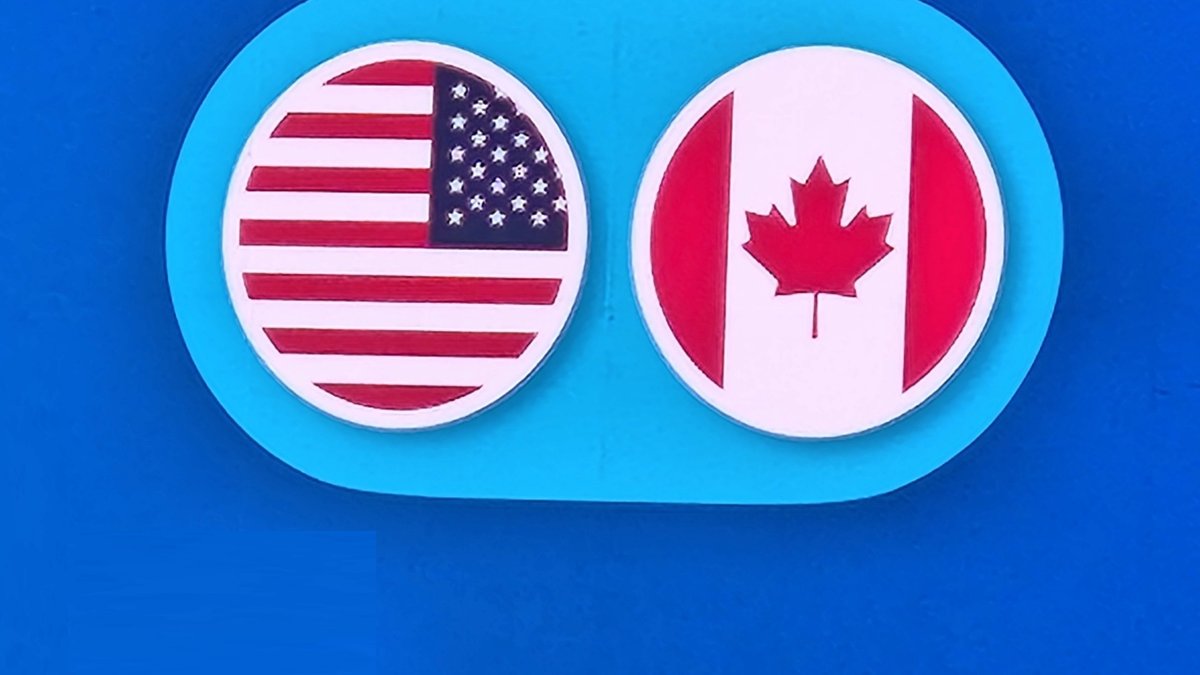
Canada will impose retaliatory tariffs on $20 billion worth of U.S. goods starting Sept. 8, escalating a trade dispute that has strained one of the world’s largest economic relationships.
Prime Minister Mark Carney announced the move Saturday, calling it a necessary response after trade talks with the Trump administration collapsed and the U.S. imposed 50% tariffs on Canadian plywood, liquor, electrical equipment, and hockey gear.
“We take this step reluctantly,” Carney said. “It will raise costs and reduce choice for Canadians, hurt innocent U.S. companies, and make cooperation harder.” He described the decision as a defensive measure, telling reporters in Ottawa the country had no choice after being targeted.
Tariffs mirror U.S. levies, with political risks
The Canadian tariffs will target U.S. steel, dairy, appliances, agricultural equipment, electronics, and pulp and paper—matching the value of the U.S. measures. Details will be released in the coming days.
Canada joins China as one of only two countries to directly counter U.S. tariffs. The Trump administration invoked a Depression-era law rarely used for trade disputes, a move that could influence how other nations respond to U.S. trade pressure.
Related: Bologna bombing life sentences upheld
The strategy carries risks. U.S. officials warned Friday that further escalation remains possible, raising concerns about a full-blown trade war between two countries that exchanged nearly $900 billion in goods and services last year. The U.S. is Canada’s largest export market, with oil, vehicles, and car parts among the top categories.
Canada supplies 99% of U.S. natural gas imports, 85% of electricity imports, and 60% of crude oil imports. Carney noted this dependence, saying, “I don’t think they want us to stop sending it.”
Negotiations collapsed over auto tariffs, cultural demands
Talks broke down over several unresolved issues. The main sticking point was U.S. auto tariffs, currently set at 25% on non-U.S. content in Canadian-made vehicles. Canada proposed lowering the rate to 15%, but the U.S. refused to extend the relief to medium- and heavy-duty trucks—including those produced at Ford’s Toronto-area plant.
The U.S. also sought restrictions on Canada’s trade deals with other countries and made demands on cultural and French-language protections that Carney rejected. He accused the administration of violating the U.S.-Mexico-Canada Agreement with inconsistent justifications for tariffs, citing everything from fentanyl trafficking to a television ad Trump disliked.
The shift to confrontation marks a return to the rhetoric that helped Carney win office last year. Until recently, he had pursued a more cooperative approach, rolling back retaliatory tariffs imposed by his predecessor and scrapping a digital services tax that angered the U.S. He also renegotiated a bridge deal between Detroit and Windsor in ways favorable to the U.S.
Those efforts did not secure a deal. In his Saturday remarks, Carney revived the tone of his January speech at the World Economic Forum, where he urged midsized nations to work together against superpower pressure. The message drew criticism from Trump at the time.
Related: When to use AI in professional work
Political support for retaliation, but economic pain looms
A Leger Marketing poll this week found most Canadians favored a firm stance. The survey showed support for export taxes on Canadian energy sold to the U.S. and special levies on American services like Netflix.
Jason Kenney, a former Alberta premier and Carney’s political rival, praised the government for walking away from negotiations. “Canada clearly made a serious effort to get greater stability and market access,” Kenney said in a social media post. “But we are not surrendering in the face of constant economic and political aggression.”
The economic impact may extend beyond trade. Canadian travel to the U.S. has declined sharply since Trump’s return to office, affecting border states and tourist destinations like Las Vegas. Some Canadians have begun boycotting U.S. products, a trend politicians have quietly encouraged.
When asked whether polling or financial markets influenced his decision, Carney said they did not. He added that markets sometimes overlook fundamentals before suddenly paying attention to them.
One in four companies report lingering culture damage after similar disputes, a concern that could affect cross-border business relationships.


