


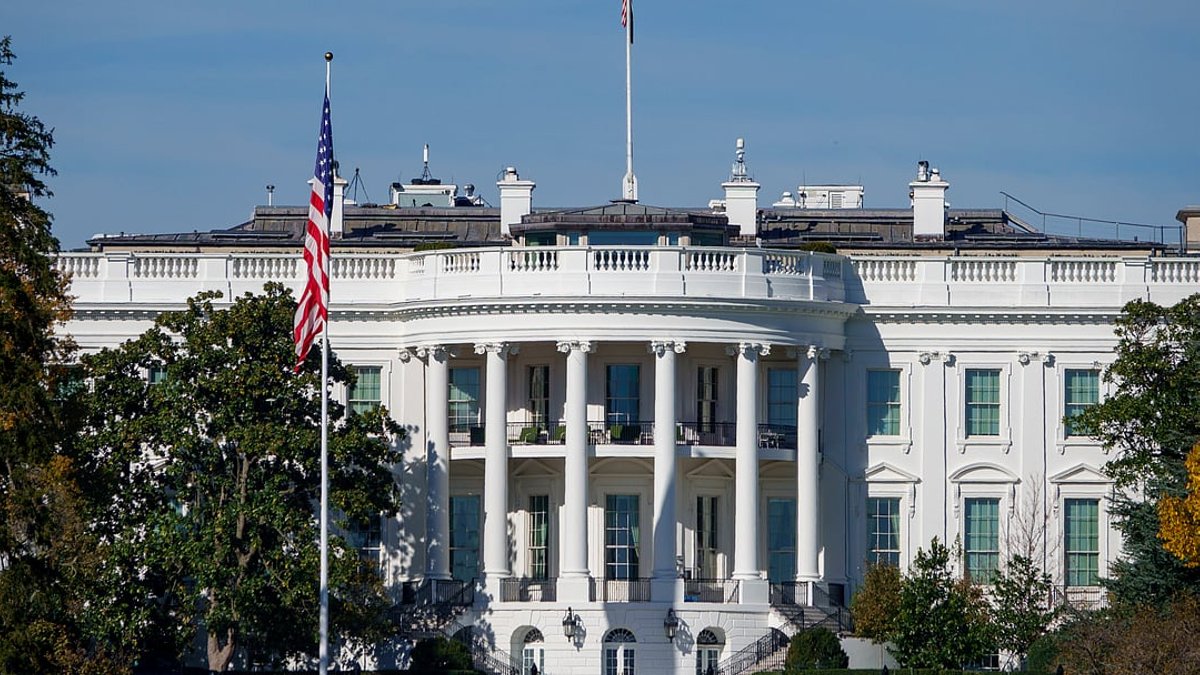
The Constitution bars Donald Trump from a third term, so the contest to fill the White House in 2028 has already begun.
Both sides are moving quickly, courting donors, scouting early-primary states and consulting pollsters, a pattern that echoed the starts of the 2008 and 2024 races.
GOP field takes shape
Pollsters list JD Vance, the 42-year-old vice-president, as the front-runner. He draws support from the party’s younger, non-interventionist wing and enjoys backing from tech investors.
Vance’s record is shadowed by the administration’s decision to launch a war in Iran and by stubborn inflation, both of which he cited as reasons for the recent Senate losses.
Marco Rubio emerges as the most viable alternative. The Florida senator has stayed close to the former president, serving as secretary of state and national security adviser, yet he is seen as more traditional on policy.
Rubio could benefit from stepping away from his current post, giving him time to build a national network of donors.
Donald Trump Jr. is another possible contender. The 48-year-old has high name recognition and a personal fundraising base built during his father’s second term.
His lack of political experience and the fatigue many voters feel toward the family brand could limit his appeal.
Florida Governor Ron DeSantis remains a dark-horse option. With his second term ending, he could attract voters who want a shift away from the current direction while still offering a proven record in his state.
Senator Ted Cruz is also mentioned as a potential challenger, having kept a measured distance from the administration and retaining a loyal Senate constituency.
The upcoming race matters beyond Washington. South Africa, whose trade ties and diplomatic exchanges have been strained under the previous administration, will watch closely to see whether the next leader seeks to repair or deepen those gaps.
Democrats weigh options
California Governor Gavin Newsom has signaled early ambitions, positioning himself as a counter-force to the former president and touting a “blue tsunami” that helped his party win the midterms.
Read Also: South Africa Bars Africa Bitcoin Corp’s Top Executives
Georgia Senator Jon Ossoff rode a wave of voter enthusiasm in his re-election and is currently favored by bookmakers as a potential nominee.
Former vice-president Kamala Harris still commands considerable support within the party, though her 2024 bid was widely regarded as rushed.
Representative Alexandria Ocasio-Cortez continues to rise on the progressive flank, championing a younger, more activist base that could reshape the primary environment.
Recent internal polls show JD Vance holding a modest lead over Marco Rubio, with the latter trailing by roughly five percentage points.
Republican fringe and potential challengers
Defense secretary Pete Hegseth has hinted at a possible 2028 bid, though his tenure has attracted controversy that may dampen his prospects.
Robert F. Kennedy Jr., serving as health and human services secretary, leads the “Maha” faction of the party and could leverage his high profile to mount a campaign.
Former Texas senator Ted Cruz remains a name in speculation, having avoided full alignment with the current administration and positioning himself for a potential critique of its record if presidential approval declines.
Unlike his 2016 rival, Cruz’s distance from the incumbent could allow him to appeal to voters seeking a less partisan alternative while still retaining his conservative base.
Democratic field beyond the front-runners
Former Chicago mayor and Obama chief of staff Rahm Emanuel has launched a publicity push aimed at building momentum for a possible presidential run.
Pete Buttigieg, after serving as transportation secretary, has become a prominent campaigner for the party and may test the waters for a 2028 candidacy.
Governor Josh Shapiro, fresh from a decisive re-election in a swing state, could represent the centrist wing of the Democrats, bringing a pro-Israel stance to the foreign-policy discussion.


