


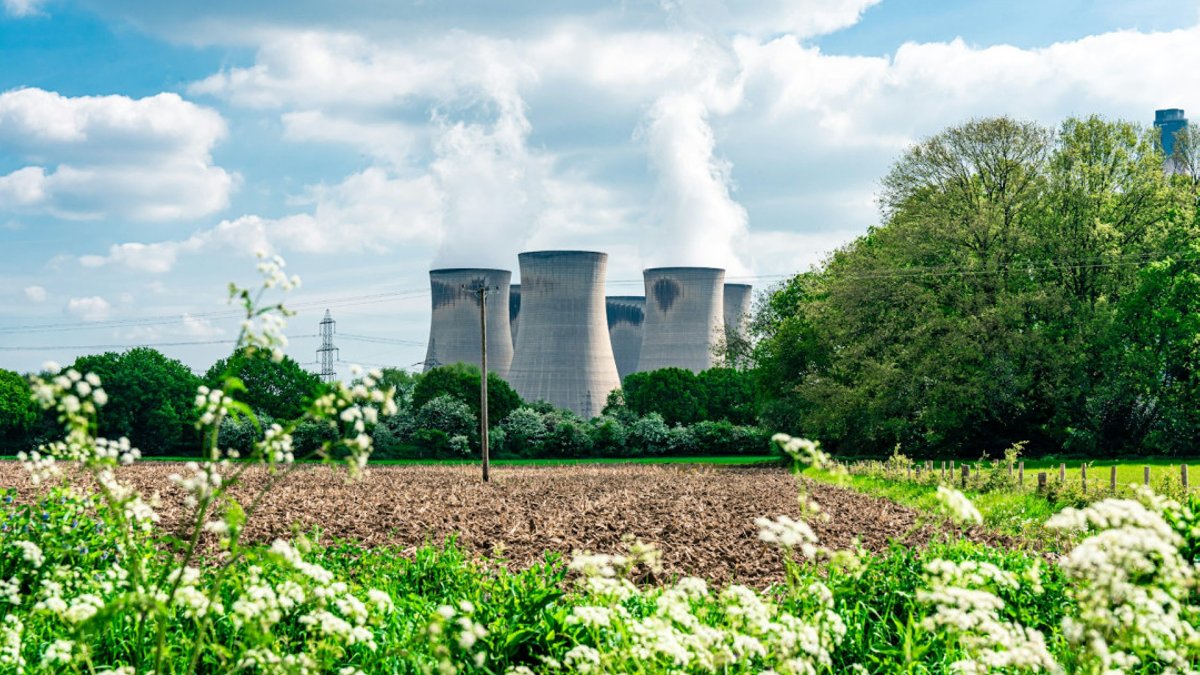
Rising tensions in the Middle East and higher oil and gas prices have pushed Asian governments to prioritize energy security and domestic electricity generation.
Nuclear construction surge in Asia
Renewable power is expanding rapidly in China, India and Southeast Asian markets, a trend accelerated by the Strait of Hormuz crisis that lifted LNG prices and reduced gas demand.
In the wake of the 2022-2023 energy shock, nuclear power is also gaining traction worldwide as nations explore new reactors for the first time.
According to the Global Energy Monitor’s tracker, the world currently operates 408 GW of nuclear capacity, with an additional 91 GW under construction.
Data compiled by Reuters columnist Gavin Maguire shows that 73% of the under-construction capacity—about 66 GW—is located in Asia.
Asia also leads in utility solar and wind power construction, as smaller emerging markets add to powerhouses China and India in boosting their renewable energy capacities.
China and India still rely on coal for a large part of their electricity supply and continue to approve and build coal-fired power plants, but they are also betting big on nuclear and renewables to meet soaring electricity demand.
Globally, the top four builders of new nuclear capacity are China, India, Japan and South Korea, per the Global Energy Monitor.
China tops the list with more than 43 GW of reactors under construction.
Related Post: Democrats’ Midterm Win to Reshape U.S. Energy Policy
India follows with 6.6 GW, Japan with 6.1 GW, and South Korea with 5.6 GW in the pipeline.
Chinese policy does not favor a single energy source; instead, it expands coal, renewables and nuclear projects to secure supply and cut reliance on cheap fossil-fuel imports.
India aims to raise its nuclear capacity to 100 GW by 2047, up from the current 8.8 GW.
At the end of 2025, India’s government approved the landmark Atomic Energy Bill, which allows private companies to invest in its nuclear energy industry for the first time.
India also plans to build five small modular reactors domestically by 2033, as stated by Atomic Energy Minister Jitendra Singh.
Policy shifts in major economies
Japan has made a U-turn in nuclear energy policy and plans to rely more on nuclear reactors for its power supply in the coming decades. The country looks to have 20% of its electricity supply coming from nuclear power by 2040, up from below 10% now.
Before the Fukushima meltdown in 2011, nuclear energy accounted for about 30% of Japan’s electricity mix; reactors were shut for safety checks, but more than a dozen have been restarted since.
South Korea, like Japan, does not plan new coal-fired capacity, although they will rely more on coal this particular winter with Qatar’s LNG supply still not reaching buyers.
Both countries rank among the world’s largest LNG importers after China, and their expanding nuclear and renewable programs could lower long-term gas demand.


