


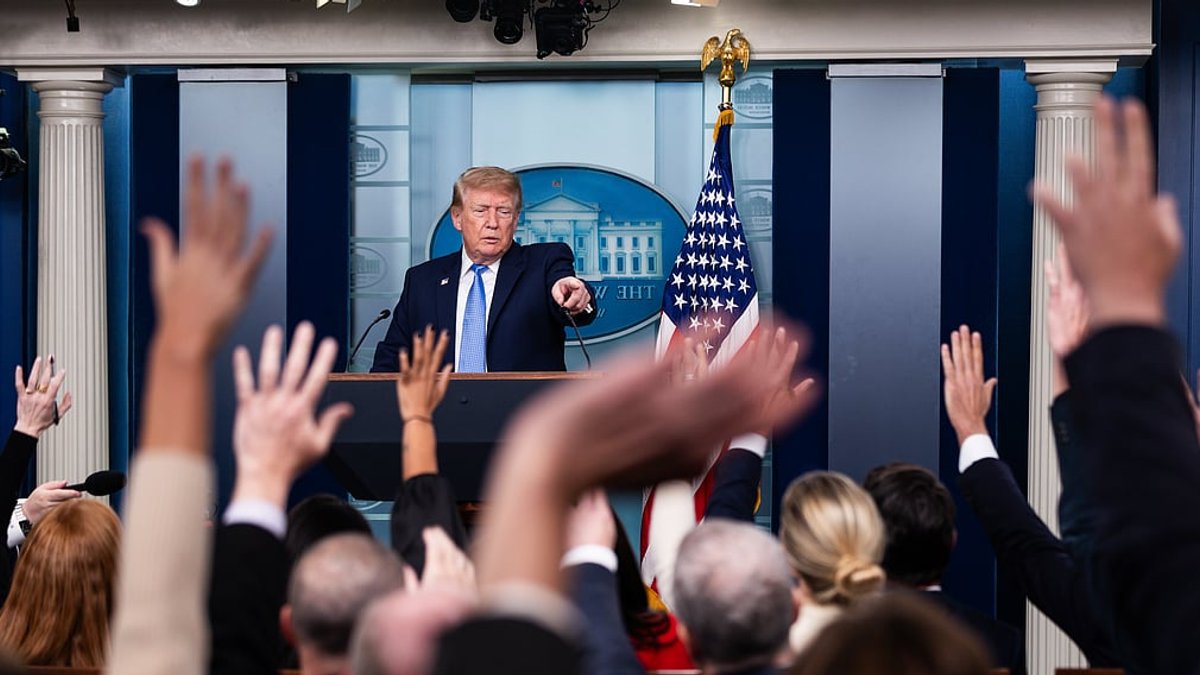
Donald Trump’s concession to a midterm defeat sparked a brief rally on Wall Street, yet his most recent remarks questioning the honesty of the election have raised concerns about how long that market uplift will endure. The former president’s decision to name hard-liner Stephen Miller as chief of staff, coupled with his vow to continue hating his political enemies, signals a confrontational posture.
The actions taken by the president suggest a preference for a final showdown rather than a gracious acceptance of the results. This stance could have far-reaching consequences, especially in the area of foreign policy, where South Africa has already begun to feel the impact of several of his choices.
Trump’s Defiance and Its Global Impact
Recent moves by the former commander-in-chief reveal a leader unwilling to step back. By selecting Miller, who is known for his uncompromising policy positions, the administration sent a clear signal to both allies and adversaries. Miller’s background in shaping presidential authority without reliance on congressional approval or judicial oversight aligns with the current direction of the White House.
The president’s defiant approach is not limited to domestic affairs. South Africa, which has already suffered from 30% tariffs and diplomatic setbacks, may encounter additional challenges as the administration pursues its agenda. An angry lame duck with nothing left to lose at home may look abroad for targets.
One recent example of this foreign-policy shift is the country’s exclusion from the G20 summit in Miami, followed by the expulsion of its ambassador. These actions illustrate a pattern of unilateral decisions that have already altered South Africa’s diplomatic standing.
A Lame-Duck’s Foreign Policy
Domestic initiatives that the former president hopes to advance are expected to encounter heightened obstacles after the midterm elections. Nevertheless, foreign policy remains an arena where he retains considerable leverage.
South Africa’s recent experience serves as a case study. The imposition of 30% tariffs and the diplomatic exclusions are not isolated events but rather components of a broader pattern of independent decision-making that could persist or even intensify.
Pretoria shouldn’t wait for the cavalry. As the former president moves through his final months in office, his actions will be scrutinized closely by foreign governments.


