


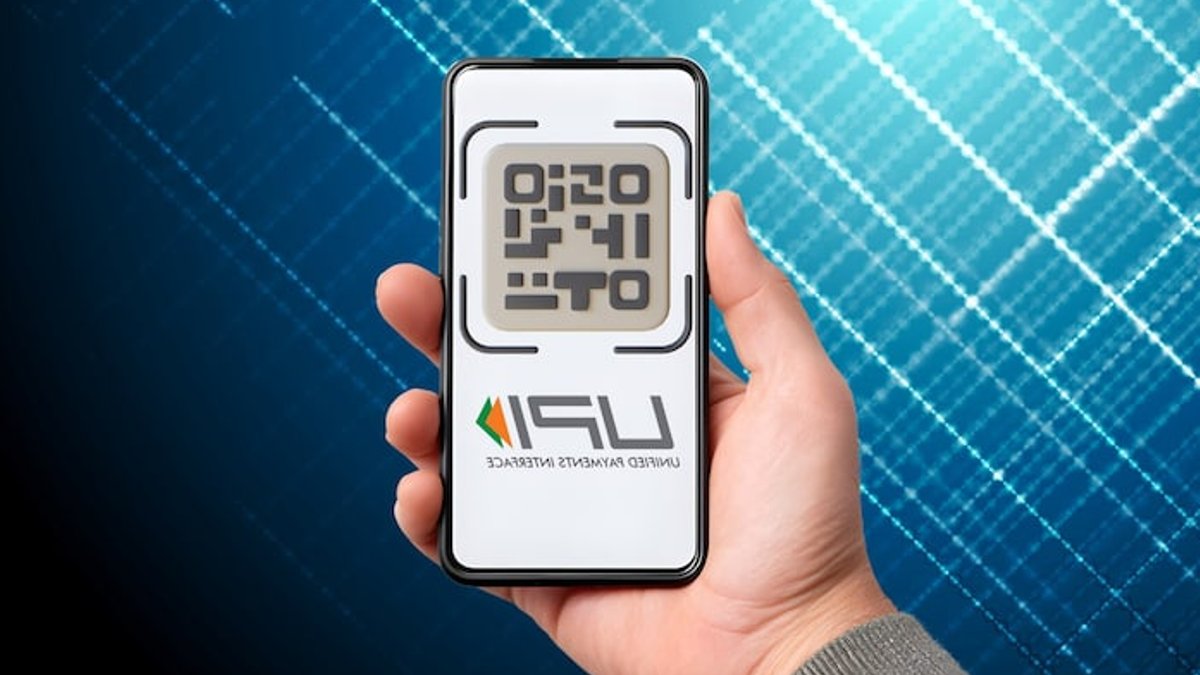
India is developing an offline payment option for the Unified Payments Interface that will let users tap to pay up to Rs 2,000 without any internet connection on either the customer’s phone or the merchant’s point‑of‑sale terminal.
Certification of POS devices slated for this year
According to three sources familiar with the project, the National Payments Corporation of India (NPCI) plans to certify point‑of‑sale machines from the country’s leading terminal makers before the end of the year. The certification will enable those devices to process NFC‑based UPI transactions when they cannot reach a network.
Under the proposed system, a consumer would simply tap a phone that has the UPI app loaded with a small “Lite” wallet onto an NFC‑enabled terminal. The transaction would be recorded locally and later sent for verification once connectivity returns. The cap of Rs 2,000 mirrors the limit already used for card‑tap payments, a familiar experience for many shoppers.
One fintech insider said the POS manufacturers must obtain NPCI approval before building applications that accept offline UPI. Another source added that the app itself would handle the tap, so the terminal does not need to be online at the moment of payment.
Related: Incorporating Microchannel Technology into Modular HVAC Systems
Extending offline capability beyond smartphones
The new feature builds on the 2023 rollout of UPI Lite X, which allowed two NFC‑enabled smartphones to exchange funds without a network. Extending that functionality to merchant terminals is expected to open use cases such as payments on flights and in underground metro systems, where connectivity can be unreliable.
Users would not need to enter a UPI PIN at the point of sale. Instead, they would preload a small amount into the on‑device Lite wallet, enabling quick transactions in low‑connectivity environments. This design aims to close a remaining gap between UPI and traditional card networks, which have long supported offline purchases through chip‑based authorisation.
Card issuers have sometimes limited usage aboard airlines because of operational challenges. The offline UPI option could give travelers a simple alternative, provided the modest transaction ceiling meets their needs.
From a practical standpoint, the rollout may face hurdles related to device compatibility and merchant adoption. Even with NPCI certification, retailers will need to update or replace existing hardware, a step that could be costly for small businesses.
Related: Persatuan Ahli Farmasi Indonesia (PAFI) Kota Kuningan
Moreover, ensuring that offline transactions are accurately reconciled once connectivity resumes will require robust back‑end processing.
The success of this offline tap‑to‑pay feature will likely depend on how quickly merchants integrate certified terminals and how comfortable consumers become with loading funds into a Lite wallet.
By the end of the year, the NPCI expects to have certified the first batch of POS devices.


